logo
En casa
Productos
Sobre nosotros
recorrido por la fábrica
Control de calidad
Contacta con nosotros
Solicitar una cotización
Noticias
El blog
Inicio El blog

DIY Guide How to Select and Assemble Dsub Connectors

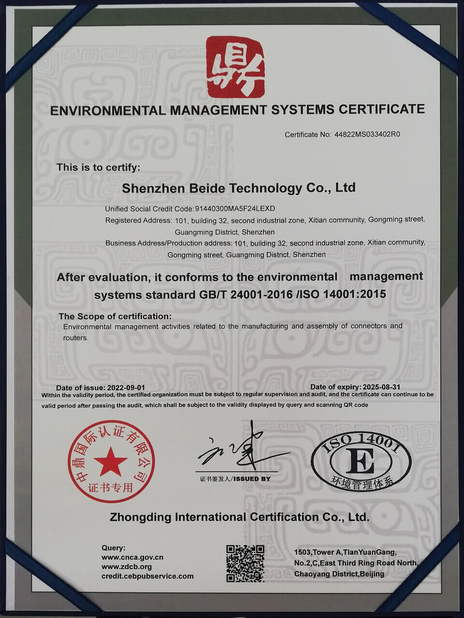
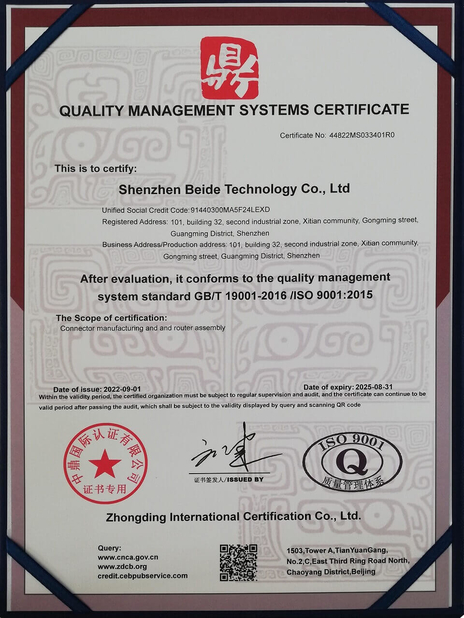
Certificaciones
Porcelana DONGGUAN BEDE MOLD AND PLASTIC FRODUCTS CO., LID certificaciones
Comentarios de cliente
Hola Elissa, ¿qué haces aquí? A principios del año pasado, un colega mío había pedido 20 cables de su compañía. Los cables que su compañía hizo para nosotros funcionaron bastante bien, y estoy interesado en usar su compañía para producir más de estos cables en el futuro.

—— Matthew Goetzman fue el primero.

Precio competitivo, servicio de alta calidad, cooperaremos con usted durante mucho tiempo!

—— Donegek Ilya

Estoy en línea para chatear ahora
Compañía El blog
DIY Guide How to Select and Assemble Dsub Connectors
últimas noticias de la compañía sobre DIY Guide How to Select and Assemble Dsub Connectors

In the realm of electronic devices, D-Sub connectors have maintained their prominence through decades of technological evolution. Recognized for their stable and reliable connectivity, these components serve critical functions across diverse applications—from early computer serial ports to modern VGA display interfaces. For electronics enthusiasts or professionals requiring customized connection solutions, mastering D-Sub connector construction and assembly unlocks new possibilities.

Beyond the D-Shaped Design: Understanding D-Sub Connectors

The distinctive D-shaped housing of these connectors isn't merely aesthetic—it ensures precise orientation and secure mating. Their widespread adoption stems from straightforward construction, cost-effectiveness, and dependable electrical performance. The D-Sub family encompasses numerous variants primarily distinguished by pin counts, including common configurations like DB9 (9-pin), DB15 (15-pin), DB25 (25-pin), and the specialized HD15 (VGA) for video transmission, each serving distinct operational requirements.

Core Components for DIY D-Sub Assembly

Constructing a custom D-Sub connector requires familiarity with these fundamental elements:

  • Connector Body (Male/Female): The central component containing metal pins (male) or sockets (female). Selection criteria include pin count (9, 15, 25, etc.) and orientation (straight or right-angle), dictated by specific installation needs.
  • Protective Shell: Typically metal or plastic, this enclosure safeguards internal components while providing electromagnetic interference shielding. Available in various colors (gray, black) and materials (die-cast metal, molded plastic), the shell also influences mounting options and aesthetics.
  • Cable Strain Relief: A critical component that anchors the cable to the connector body, preventing wire damage from tension and extending service life.
  • Fastening Hardware: Screws or clips secure the connector body within its shell, with additional mounting options for panel installation when required.

Step-by-Step DIY Assembly Guide

Successful customization begins with careful planning:

  1. Specify Connector Type: Match the model (DB9, HD15, etc.) to your device's interface requirements.
  2. Gender Selection: Choose male or female connectors based on mating counterparts.
  3. Connection Method: Opt for solder-type (permanent, robust) or solderless (tool-assisted crimping) variants.
  4. Cable Compatibility: Ensure wire diameter aligns with the strain relief capacity.
  5. Tool Preparation: Gather wire strippers, crimping tools (for solderless), soldering iron with solder (for traditional assembly), and screwdrivers.

Solder-Type Assembly Process

  1. Wire Preparation: Strip outer insulation and individual conductors according to pinout diagrams.
  2. Precision Soldering: Securely attach each conductor to designated pins/sockets, avoiding bridges or cold joints.
  3. Cable Anchoring: Thread wires through strain relief and firmly secure using appropriate tools.
  4. Final Assembly: Encase the connector body within its shell and fasten all components.
  5. Quality Verification: Test continuity and isolation using a multimeter before deployment.

Practical Applications of Common D-Sub Variants

  • DB9: RS-232 serial communications (modems, routers, legacy peripherals)
  • DB15: Game controllers, MIDI interfaces, industrial equipment
  • DB25: Legacy parallel printers (LPT ports), data acquisition systems
  • HD15 (VGA): Analog video transmission between computers and displays

Mastering D-Sub connector assembly combines practical skill development with deeper understanding of electronic interconnections. Whether repairing vintage equipment or implementing custom interfaces, this knowledge empowers creators to develop tailored solutions while appreciating the engineering behind these ubiquitous components.

Tiempo del Pub : 2026-09-25 00:00:00 >> Blog list
Contacto
DONGGUAN BEDE MOLD AND PLASTIC FRODUCTS CO., LID

Persona de Contacto: Ms. admin

Teléfono: 15915396878

Envíe su pregunta directamente a nosotros (0 / 3000)